Piano Playing Is Physical 


Lessons From Injury, Healing, and Re-Embodiment

Photo by Cortor Media on Unsplash

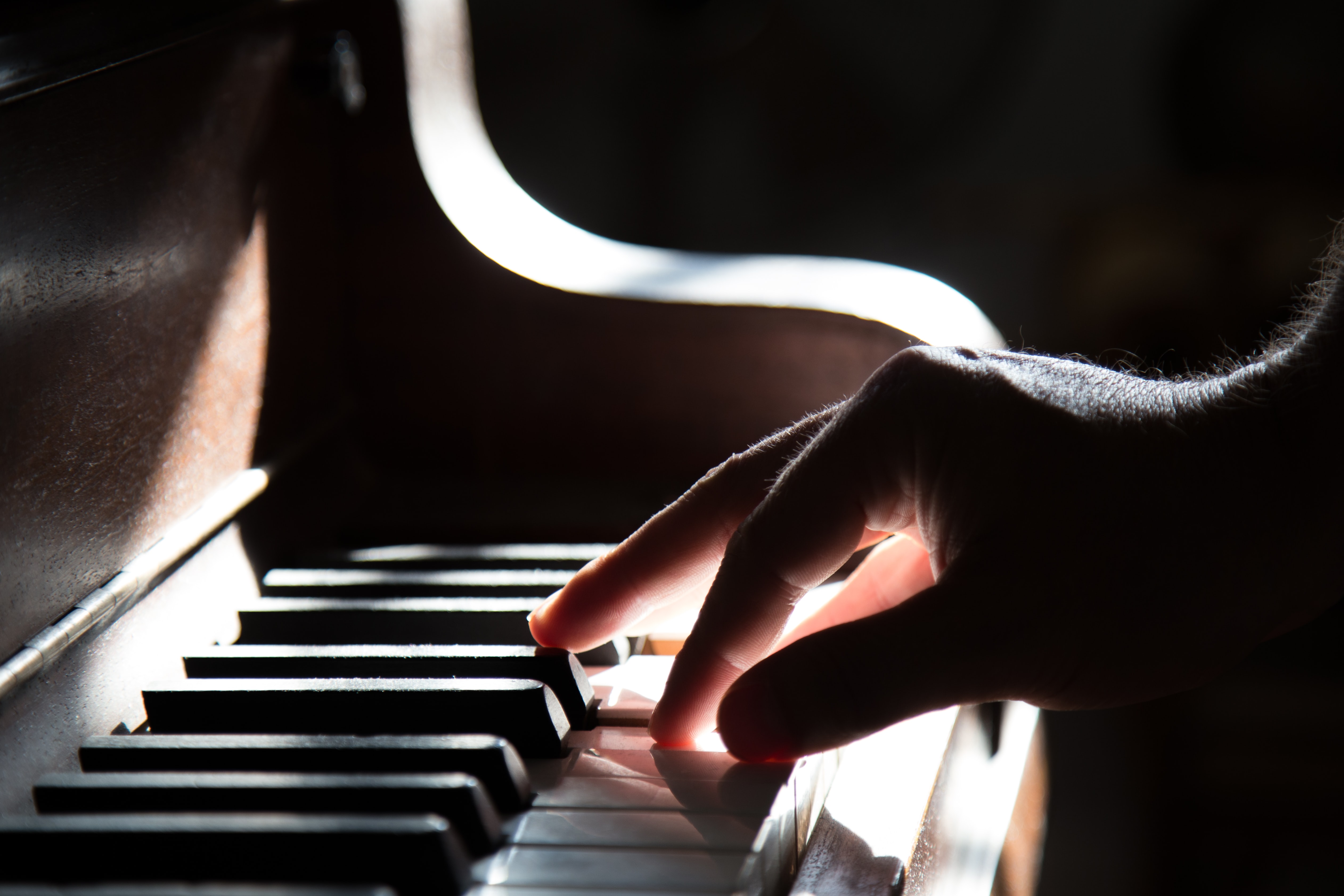
Playing piano is a rare blend of the mental, the emotional and the physical. It is easy enough to appreciate the mental and emotional sides when listening to a good pianist, but people don’t always realize just how physical it is, or how much of the body is involved in high-level piano playing.

Sometimes pianists learn this the hard way, like I did, by getting injured. I developed tendonitis in my early 20’s and had to totally reevaluate my physical approach to the piano.

Continue reading “Piano Playing Is Physical “
How to Practice After an Injury

Photo by Marcelo Leal on Unsplash

Practice is at the heart of a musician’s life. While it is always beneficial to improve your practice habits, it is even more crucial after a playing-related injury. The possibility of pain and further physical damage often forces musicians to take a serious look at the quality of their practice sessions.

How much to practice after an injury depends on the individual situation, as different body conditions require different amounts of rest. But in any case, rest on its own rarely solves the problem. Practicing will eventually need to be reintegrated as part of the long-term recovery plan.

Continue reading “How to Practice After an Injury”

An Overview of Healthy Piano Technique

Understanding your body can lead to better, easier, pain-free playing. 

Photo by Tadas Mikuckis on Unsplash

The majority of pianists will be sidelined by pain, muscle fatigue or tendonitis at some point in their careers. The term overuse injury is often applied but is not entirely accurate. The cause is seldom as simple as “too much playing”. It’s not about how much you play, but how you play. There is widespread acknowledgement of this in music schools and professional circles, but unfortunately it is not always clear what the problems are or how to correct them.

Continue reading “An Overview of Healthy Piano Technique”

How I healed from a musician’s injury

bones-2029338_640

Surveys of musicians typically come back with numbers like 50-80% having dealt with playing-related pain or injuries in the course of their career. While the problem is widespread and awareness has grown in recent decades, many injured musicians still find themselves stuck and confused about how to deal with an injury.

My injury story began toward the end of my undergraduate degree when I started feeling pain in my right forearm. Not long afterward, similar pain showed up in the left, then tingling, weakness, and areas of numbness in both arms. I knew that pianist injuries were a thing, but I didn’t know what to do about it other than limit my playing and try to relax at the piano.

Continue reading “How I healed from a musician’s injury”

What you hear is what you hear

I often find myself in conversations about classical music with people who know relatively little about it. I love when this happens. I appreciate the opportunity to communicate about what I do to someone outside the classical music bubble, and to hear their perspective.

There is pattern I notice in a lot of these conversations. Usually, the other person is pretty quick to mention that they don’t know much about classical music. If they do have a personal experience to relate, sometimes it takes reassurance from me in order to make them feel comfortable talking about it.

Continue reading “What you hear is what you hear”

Improvising like Mozart

Musicians often express supreme reverence toward Mozart, and with good reason. But to think of Mozart simply as the embodiment of musical perfection is not always helpful to performers of his music. There are times when we need to be flexible and creative, and maybe just a bit less reverent.

If the goal of a performer is to bring music to life in a way similar to what the composer envisioned, then playing a Mozart concerto exactly as written is not, in fact, a great way to achieve that goal. I’ll explain why.

Professional musicians of Mozart’s time all improvised. It was a given. And Mozart, unsurprisingly, was brilliant at it. His solo improvisations and piano concertos were highlights of his public concerts. In a concerto, Mozart was up in front of the orchestra showing his best stuff. This included plenty of improvisation, both along with the group and alone at specified moments throughout the piece. When you picture this, it’s not all that different from Duke Ellington riffing on tunes and chord changes in front of his big band.

Continue reading “Improvising like Mozart”